October 15, 2026
26-148
Robbyn DeSpain, Director of Strategic Communications
VSU’s Public History Program Engages Students in Local Communities
|
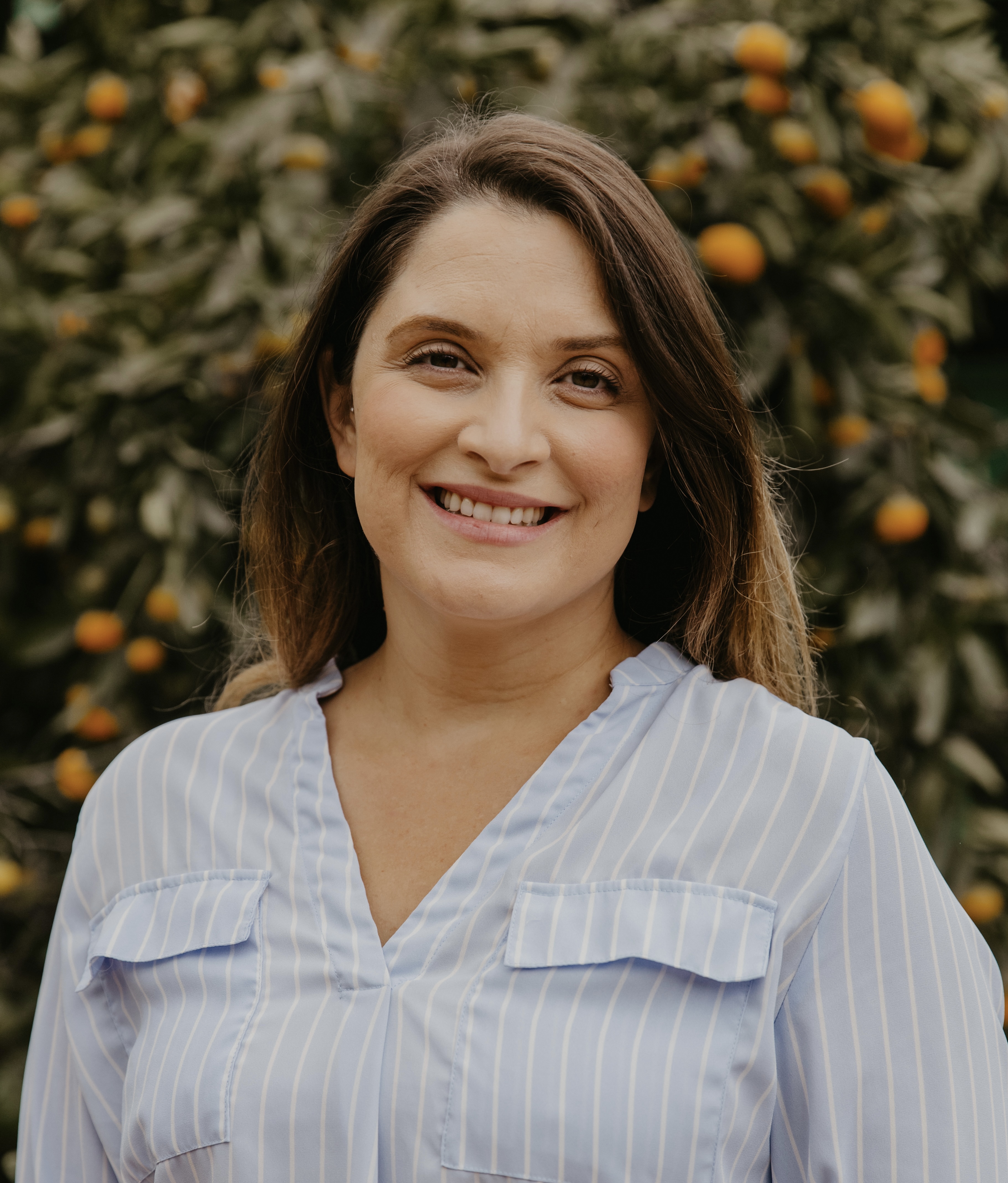
| Dr. Sarah FitzGerald is an associate professor of history at Valdosta State University. |
VALDOSTA, Ga. – Dr. Sarah FitzGerald, associate professor of history at Valdosta State University (VSU) has a unique appreciation of time moving forward.
“Every moment we are living in is going to be history,” said FitzGerald. “Realizing that helps us connect with the past and our communities.”
FitzGerald was hired to start the Public History program at VSU. She says public history is vital to support South Georgia and share our region’s history.
We asked her what distinguishes it from other types of history, what experiential learning and research look like within VSU’s Department of History and Interdisciplinary Studies, and what still excites her about teaching and studying public history.
What exactly is public history?
Public history used to be called applied history, and it refers to museum that usually happens outside the classroom. Museums, historic structures, monuments, archives, even podcasts and video game documentaries. This all falls under the umbrella of public history. In the public history program, we train students to do the work of public historians. We have a track in our bachelor’s program, so you would get a Bachelor’s of Arts in History with an emphasis on public history. As part of your coursework, you do take courses specific to public history as well as completing a public history internship in archives or museums in the region. We also have a graduate studies certificate for public history for students who already hold a bachelor's degree and are interested in continuing their education with a focus in public history. The B.A., with an emphasis in public history as well as our graduate public history certificate are incredibly useful for training students in public history methods and providing experience they can use on the job market for public history careers.
How did the public history track at VSU come about?
My department identified the need to train students in public history to support the region of South Georgia in order to teach students to interpret and share our region’s history with the local community.
Can you talk about experiential learning opportunities within the public history track
We do experiential learning within our coursework. Right now, I am developing an exhibit with my students. We do this every fall semester where we create exhibits and we put them on display at Odum Library to ensure they are accessible to our university community as well as the public community at large. Our students get hands on experience handling artifacts. We are really grateful partners with VSU Archives, so students get a lot of hands on experience in Archives handling primary sources, handling historic artifacts. Students also do internships in our community, so we’ve placed students in a wide variety of locations for this hands on experience. They can do their internships here at VSU Archives as well as the Lowndes County Historical Society, the Copeland Africa American Museum, and other institutions in the region at large.
How can students interested in history find the right focus for them?
I would encourage those students to get started. The way to get started is to take coursework and get to know your professors. Share with your professors your interests, your curiosity, and your questions, because your professors are really the best path to help you understand what the profession looks like. They can also connect you with people who can best support you in your career moving forward.
What does research look like within history studies?
Research involves consulting primary and secondary sources. Secondary sources are what most of us are probably familiar with; textbooks that you use in your history classes, documentary films, books written by historians, those are your secondary sources. The primary sources are going to be the original material, documents and such from the time period you are studying. Students get really excited to be able to handle original documents from the past; the letters, speeches, journal entries, even songs and clothing can be considered primary sources. Doing research as a historian is bringing primary and secondary sources together to ask questions about what happened in the past and then viewing those sources to answer those questions and then telling stories about the human experience through time.
What makes you excited about public history?
Answer: One of the things that gets me excited about public history is that people experience public history in their everyday lives. It can be as simple as visiting a state or national park. There is going to be interpretation of the history on that land. You are traveling by car, you are going to see historic markers throughout your experience, and what happened in the past in the place that you live and the places you travel. What really gets me excited about it is that right now, getting to expose students in their undergraduate phase, having high school students come to our open houses and orientations saying they are interested in public history. I was a big of a late bloomer; I didn’t really know about public history as a pathway until graduate school, so I’m really eager to share this with students to let them know what opportunities are out there with public history. Public history expands the way we can understand interpreting the past, who our audiences are for telling stories about the past.
More on the Web
Valdosta State University: https://www.valdosta.edu/
VSU's Department of History and Interdisciplinary Studies: https://www.valdosta.edu/history/


Newsroom
- Office of Communications Powell Hall West, Suite 1120
-
Mailing Address
1500 N. Patterson St.
Valdosta, GA 31698 - General VSU Information
- Phone: 229.333.5800
- Office of Communications
- Phone: 229.333.2163
- Phone: 229.333.5983