October 7, 2026
26-141
Robbyn DeSpain, Director of Strategic Communications
VSU Associate Professor of Political Science Named Fulbright Scholar
|
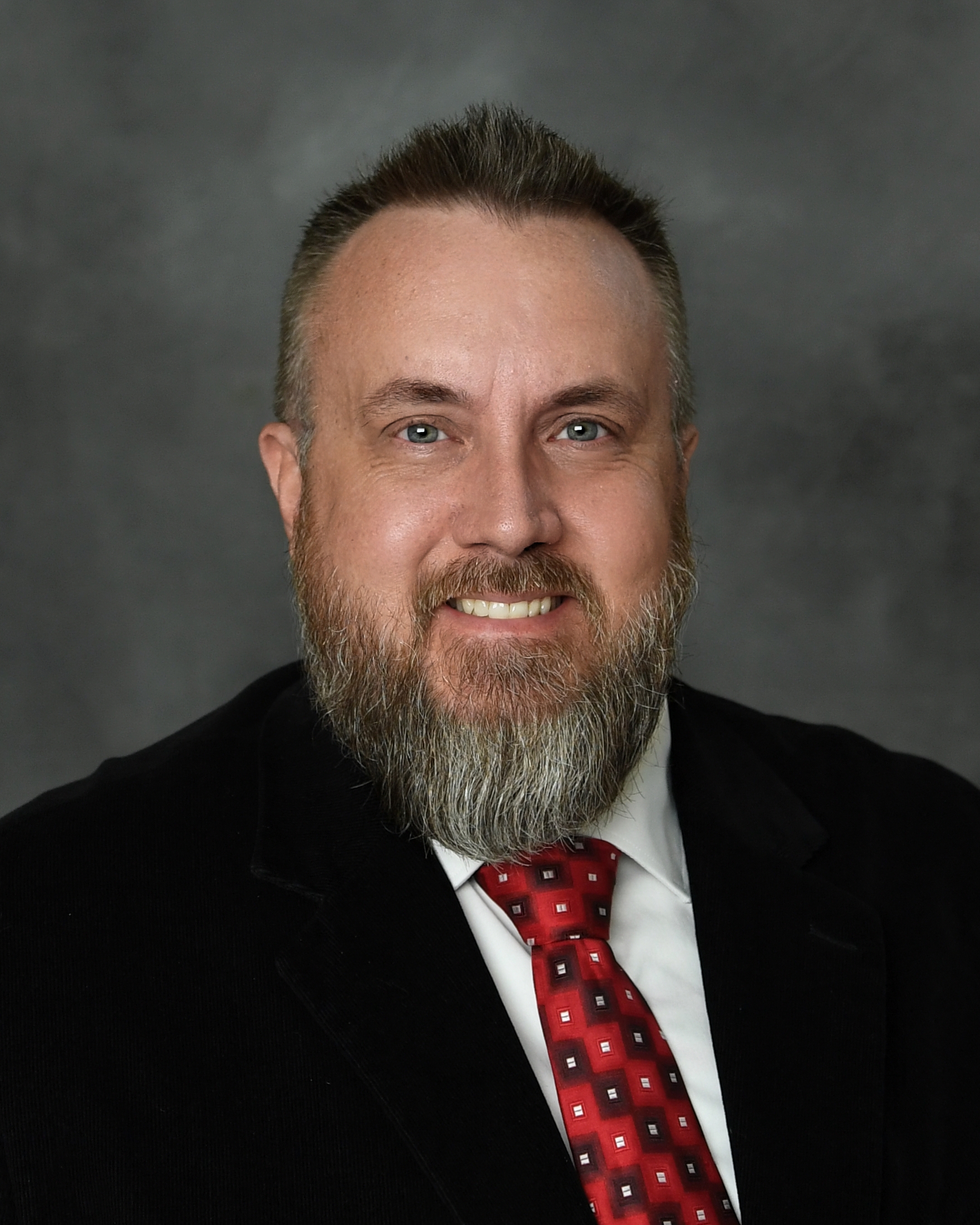
| Dr. Keith Lee is an associate professor of political science at Valdosta State University. |
“Honestly, it never crossed my mind,” said Lee. “I thought the Fulbright was out of reach for someone like me. Dr. Michael Baun and my Czech colleague, Dr. Jiří Lach, encouraged me to apply, and I wouldn't have done it without that push.”
Lee has been at VSU for six years. He was named a Fulbright Scholar for the 2025 – 2026 academic year and spent Jan. – June 2026 teaching at Palacký University in the Czech Republic.
While this was his first time teaching abroad, Lee had spent time in the Czech Republic before. He first went in 2010 as a Model UN student at VSU.
We asked Lee about earning this major achievement, what surprised him most about his time teaching and living in Europe, and why programs like the Fulbright Scholar are so important to higher education.
What does this honor mean to you personally and professionally?
It is a tremendous honor. The Fulbright is highly selective, and I always assumed it was reserved for faculty at Ivy League and large research universities. I never even looked into it.
I am a first-generation college student and a non-traditional academic. I didn't start college until I was 28 after eight years in the Navy and a stint as a truck driver. I've been teaching at the college level for 10 years, and I still sometimes feel like a fish out of water. There is a lot about academia I'm still learning.
So personally, it means a great deal, and I owe it to the colleagues who encouraged and supported me: Michael Baun, Jiří Lach, James LaPlant, and Joe Robbins. Professionally, it has given me the confidence to pursue opportunities I might have talked myself out of before.
What similarities and differences did you discover while teaching about American political institutions and public policy to students overseas?
The biggest difference was how much the students cared. My students at Palacký University in Olomouc were genuinely interested in the American political system because of America's role in the world. They see how decisions made in Washington affect them.
Students here tend to be more ambivalent, and I don't blame them. There is so much information coming at them that it's overwhelming. But the experience motivated me to work harder at making students care, and to teach the material in a way that leaves them wanting to get engaged. I am eight weeks into a new semester teaching freshmen now. I’m not sure yet how well I'm doing at inspiring them, but I'm doing my best.
What was the biggest surprise you discovered while living and teaching abroad for six months?
The slower pace of life. Olomouc is a walkable city, and everyone walks: to work, to class, to the supermarket, to meet friends. I walked everywhere too, and you notice so much more when you aren't in a car.
Meals are slower as well. There isn't a tipping culture like ours, so no one hurries you out to free up the table. You can sit, talk, and linger for hours. Because of that, conversations go deeper and relationships form more naturally. I came home with real friendships, not just professional contacts. It forced me to slow down, and I think I'm better for it.
What did you learn teaching abroad that you are bringing back to the classroom at VSU?
Seeing American politics through Czech students' eyes reminded me that our system is something the rest of the world watches closely. I am trying to bring that perspective into my classes. When students see that people halfway around the world care about Congress, elections, and American policy, it helps them see why it should matter to them too.
For faculty considering a Fulbright opportunity or students considering studying abroad, what would you say to them about the opportunity?
To faculty: Don't count yourself out. I did for years. If someone like me, a first-generation, non-traditional academic can earn a Fulbright, you can too. Talk to people who have done it and ask for help. The support of colleagues made all the difference for me.
To students: Go. Seeing another country, and seeing your own country from the outside, changes how you understand the world. And I'll be leading VSU's Czech Republic study abroad program in 2028, so come talk to me.
Why are programs like the Fulbright Scholar so important to higher education?
They build connections that no single institution could build on its own. When faculty teach abroad, they bring back new perspectives, new research partnerships, and a better sense of how the rest of the world sees the United States. That reaches their students and their campuses long after the award ends.
Programs like the Fulbright also create relationships between universities that last for years. Those relationships lead to exchanges and collaborations that give students opportunities they wouldn't otherwise have. And by opening those doors to faculty at all kinds of institutions, not just the most elite ones, the Fulbright helps make sure those benefits reach students everywhere.
More on the Web
Valdosta State University: https://www.valdosta.edu/
Valdosta State University Department of Political Science: https://www.valdosta.edu/polsci/


Newsroom
- Office of Communications Powell Hall West, Suite 1120
-
Mailing Address
1500 N. Patterson St.
Valdosta, GA 31698 - General VSU Information
- Phone: 229.333.5800
- Office of Communications
- Phone: 229.333.2163
- Phone: 229.333.5983