August 6, 2026
26-102
Jessica Pope
Communications and Media Relations Coordinator
VSU Student-Faculty Researchers Study Pathogen Impacting Pepper, Tomato Crops
|
|
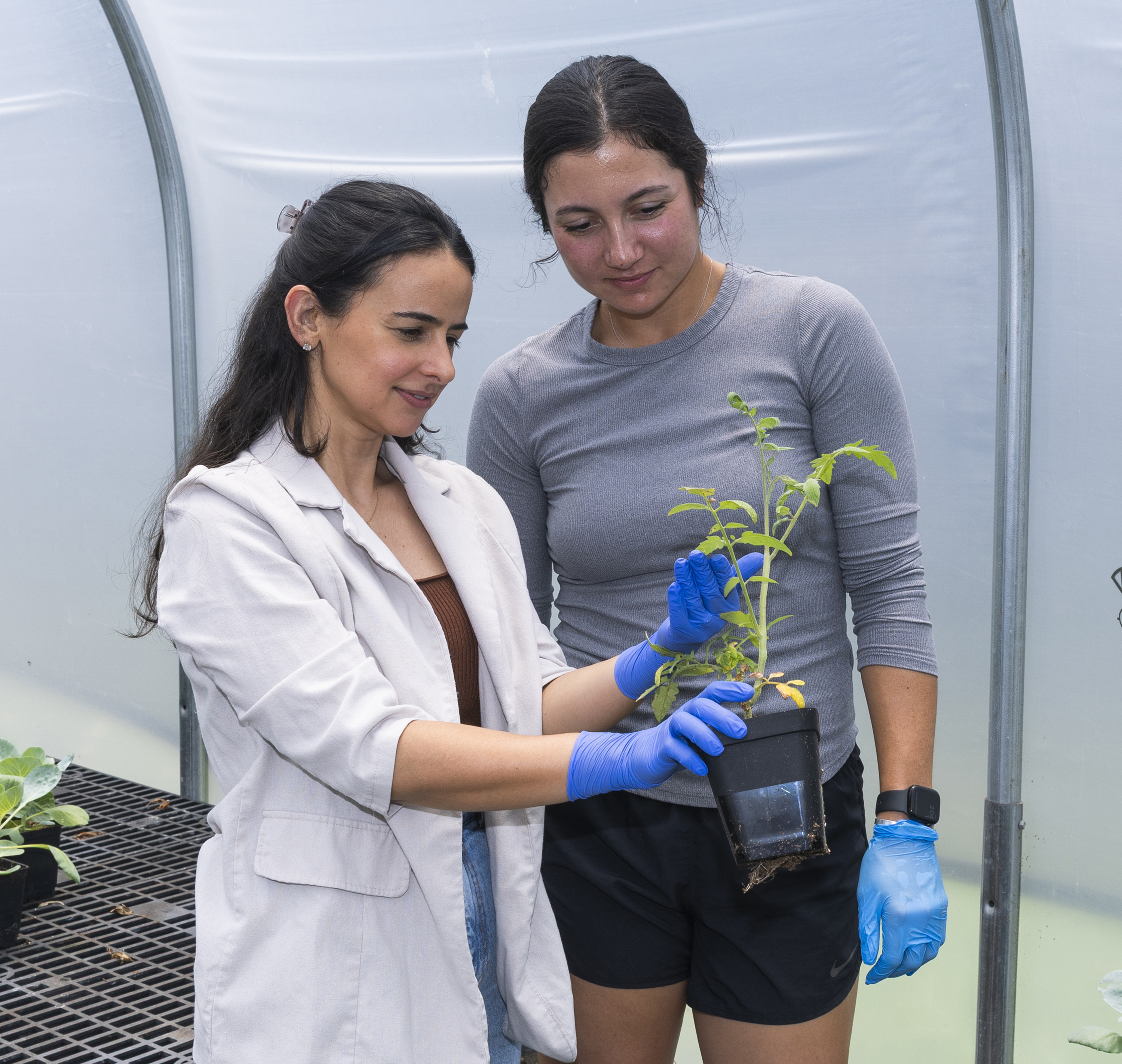
Valdosta State University’s Alyssa Vallad and Dr. Michelle MacLellan spent the summer investigating a plant disease that could have significant implications for South Georgia’s tomato and pepper producers. Their research project — “Exploring a Potential Host Range Shift of Xanthomonas campestris pv. raphani in Commercial Tomato and Pepper Production in South Georgia” — focused on tracking changes in populations of the bacterial spot pathogen Xanthomonas in commercial greenhouses and production fields. It was one of six projects selected for the VSU Mary Virginia Terry Center for Experiential Learning’s 2026 Blazer Summer Research Institute.
|
VALDOSTA — Valdosta State University’s Alyssa Vallad and Dr. Michelle MacLellan spent the summer investigating a plant disease that could have significant implications for South Georgia’s tomato and pepper producers.
Their research project — “Exploring a Potential Host Range Shift of Xanthomonas campestris pv. raphani in Commercial Tomato and Pepper Production in South Georgia” — focused on tracking changes in populations of the bacterial spot pathogen Xanthomonas in commercial greenhouses and production fields.
It was one of six projects selected for the VSU Mary Virginia Terry Center for Experiential Learning’s 2026 Blazer Summer Research Institute, a highly competitive program that provides undergraduate students the opportunity to work closely with faculty mentors on real-world, potentially life-impacting, research projects. This year’s BSRI kicked off June 9 and continued through July 31.
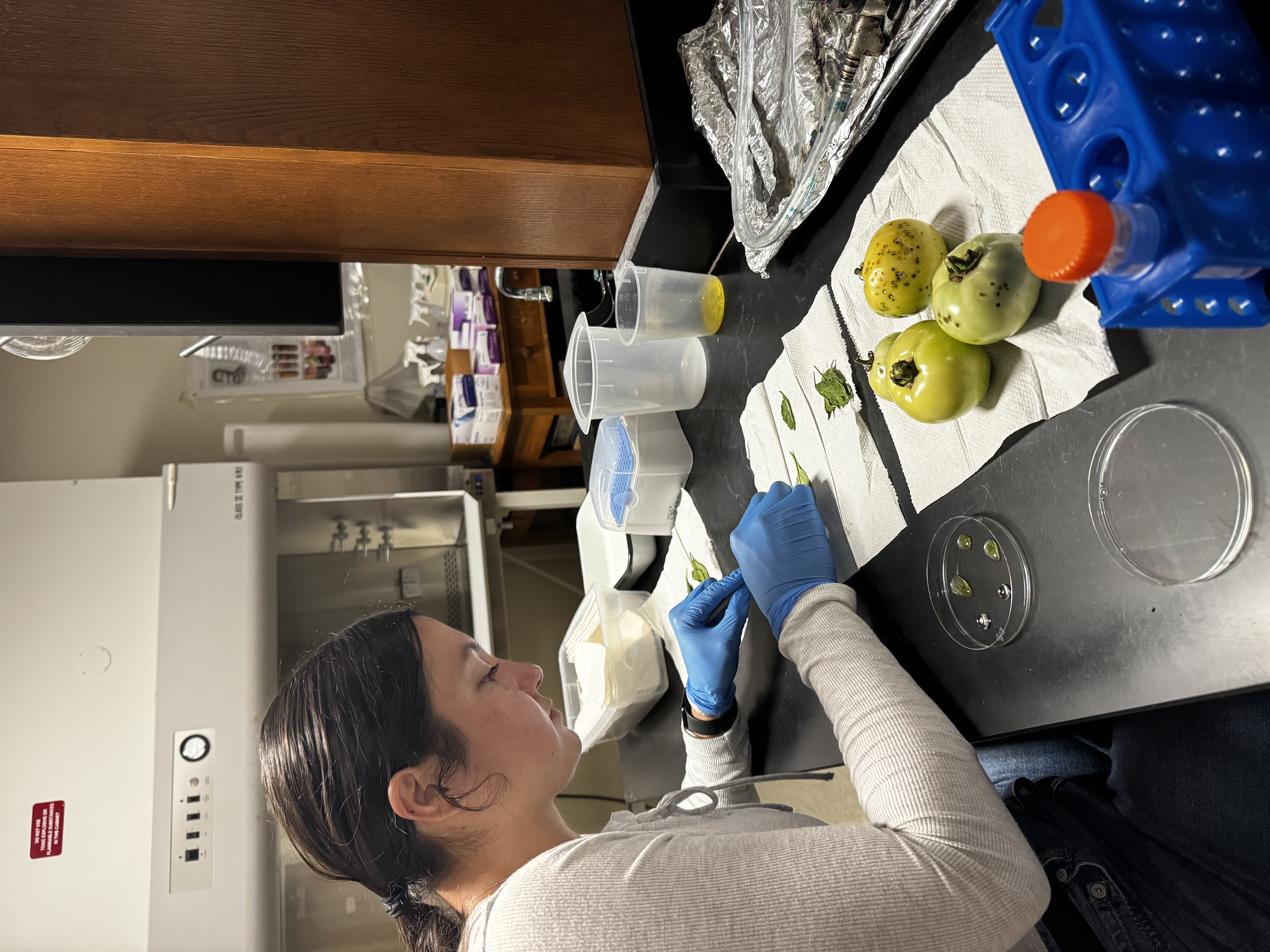
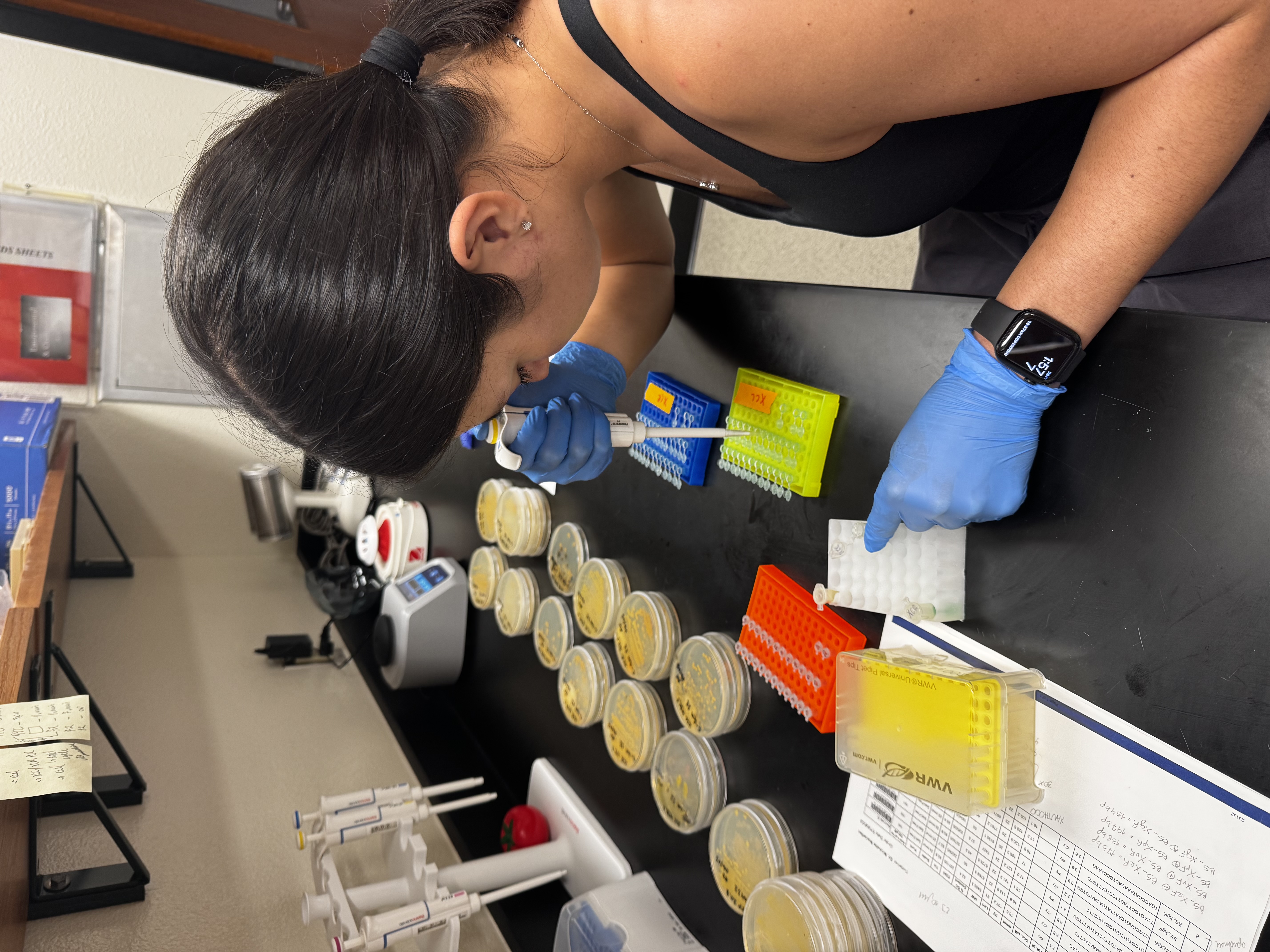
As part of their research, Vallad and MacLellan worked to develop pathogen identity profiles that can be used to identify the harmful bacteria before infected seedlings are transplanted into fields, where outbreaks can lead to widespread crop losses.
“This topic was something Dr. MacLellan was working on previously at the University of Georgia, and I was interested in helping her complete her work while also learning about plant pathology and gaining experience in lab work,” said Vallad, a senior biology major from Riverview, Florida, who anticipates graduating in May 2027.
“I have enjoyed how this project gives a little more purpose to my schoolwork. Participating in research helps me put more reason behind what I am learning in my classes. It has really enhanced my academic experience.”
Vallad said that she has been inspired by MacLellan’s passion for the work and credited the assistant professor of biology with helping to shape her growth as both a student and a scientist.
“Dr. MacLellan has been a great help in cultivating my curiosity and guiding me to the next steps in my education,” she shared.
“This is my first year at VSU and my first time participating in BSRI, and I have really enjoyed the opportunity to work closely with Alyssa throughout the summer and share my passion for research with her,” MacLellan said. “The dedicated research time has allowed us to work together through the different stages of a real research project and build a strong mentor-student relationship. It has also been a great opportunity for me to start building my undergraduate research program at VSU and create meaningful research experiences for students.”
Vallad and MacLellan recently discussed their BSRI project during VSU’s Summer Showcase: Research, Innovation, and Impact event. They also traveled to Rhode Island to present their research at the 2026 American Phytopathological Society Plant Health conference.
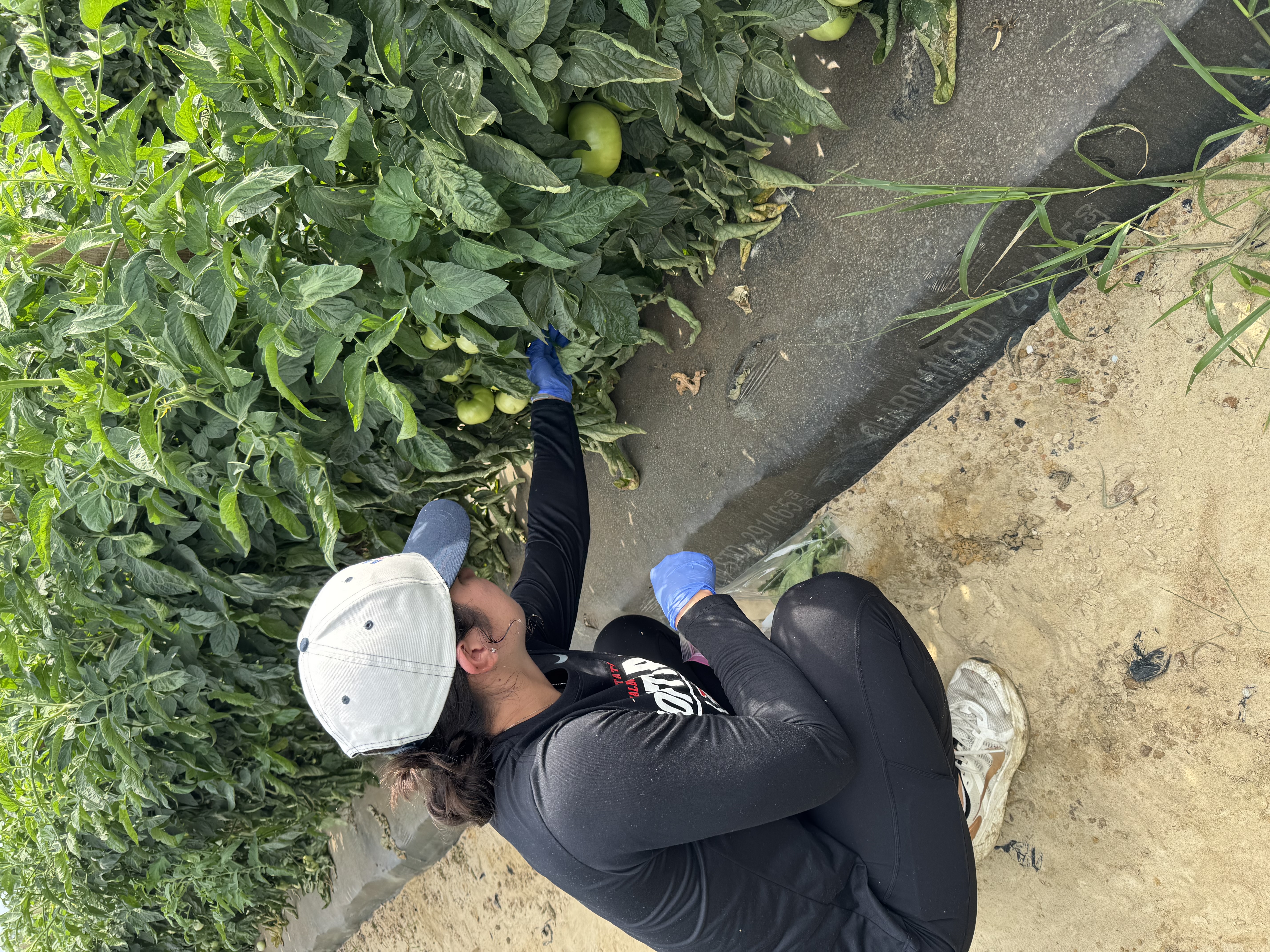
“I have seen Alyssa grow tremendously throughout the summer,” MacLellan noted. “She started by learning how to collect and process samples from commercial fields and has progressed to isolating bacteria and using molecular methods to help identify bacterial pathogens. It has been very rewarding to see her laboratory skills develop and watch her become more comfortable with the research process, from asking questions and troubleshooting experiments to interpreting her results.”
Vallad plans to continue working on research with MacLellan throughout the 2026-2027 academic year. When asked if she had advice for prospective student researchers, she said that she would encourage them to get started as early as possible and to get involved in as many projects as possible to gain experience and expand their skillset.
“There’s a learning curve between what you do during in-class labs versus what you do in the research lab,” she said. “It requires a different way of thinking.”
VSU’s Blazer Summer Research Institute is funded by the Division of Academic Affairs and private donors. Student-faculty research is central to the university’s commitment to experiential learning and plays a critical role in the academic setting by fostering deeper understanding through active participation. Students who engage in applied learning experiences demonstrate higher retention rates, improved academic performance, and greater post-graduation success.
On the Web:https://www.valdosta.edu/cosm/


Newsroom
- Office of Communications Powell Hall West, Suite 1120
-
Mailing Address
1500 N. Patterson St.
Valdosta, GA 31698 - General VSU Information
- Phone: 229.333.5800
- Office of Communications
- Phone: 229.333.2163
- Phone: 229.333.5983